Waking up in the middle of the night with a gnawing burning sensation in your upper abdomen, tasting sour acid creeping up your throat after dinner, feeling prematurely bloated after just a few bites, or dreading your morning coffee because of stomach pain are alarming indicators of digestive breakdown. For active men and women between ages 18 and 55, persistent stomach distress is rarely just “too much acid”—it is overwhelmingly driven by erosion of the Gastric Mucosal Barrier, Helicobacter pylori colonization, and depleted protective mucin secretion.
Your stomach is naturally engineered to withstand an extremely corrosive environment of hydrochloric acid (pH 1.5–2.0) and protein-digesting pepsin enzymes. To survive its own digestive juices, stomach walls secrete a dense, bicarbonate-rich layer of mucus gel that creates an impenetrable barrier over delicate epithelial cells. However, chronic psychological stress, overuse of NSAID painkillers, alcohol, and the pathogenic bacterium Helicobacter pylori (which burrows directly into the lining using urease enzymes) strip away this mucous shield. Exposed to raw gastric acid, bare stomach tissue rapidly develops chronic gastritis, erosion, and painful peptic ulcers.
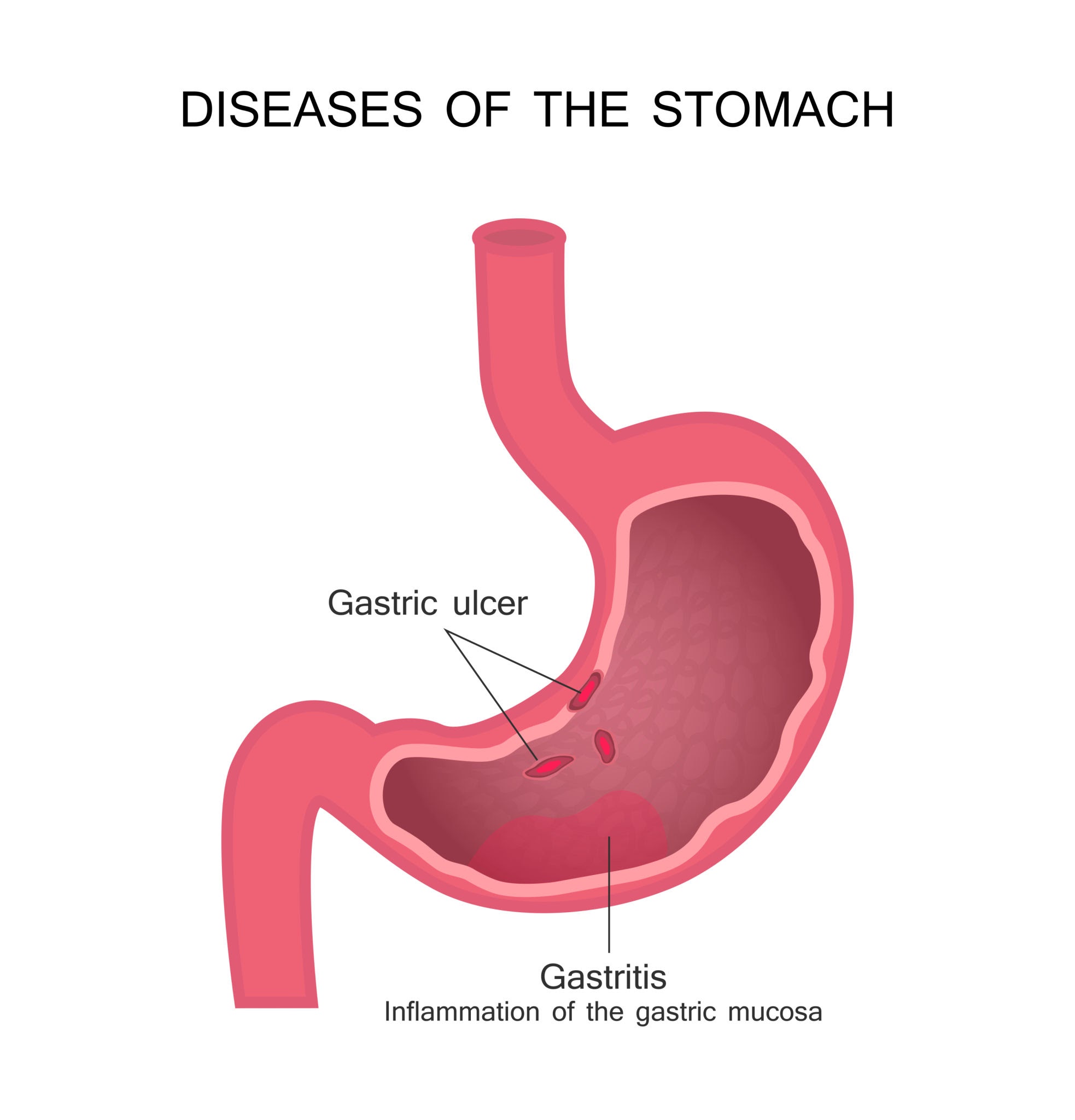
While many try to mute burning stomach pain using Proton Pump Inhibitors (PPIs) or chalky antacid tablets, these medications merely suppress stomach acid production without repairing damaged tissue or strengthening the mucosal barrier. Suppressing acid long-term can also impair nutrient absorption (like B12, Iron, and Magnesium) and trigger severe rebound acid flares. To rebuild eroded stomach lining, eradicate bacterial biofilms, and promote natural mucin synthesis, modern gastroenterological nutrition relies on chelated mucosal binders and antimicrobial botanical resins. Here is how active adults are healing their stomach lining in 2026.
WATCH THE FULL VIDEO
Video is ready to play. If one link doesn't work, try another available link below 👇
Comparing Gastric Mucosa Repair & Acid Defense Interventions
| Compound / Intervention | Primary Biological Mechanism | Mucosal Tissue Adhesion & Repair | Target Health Benefit |
| Zinc-L-Carnosine (PepZin GI®) | Adheres Selectively to Ulcerated Tissue to Accelerate Healing | Extremely High (Binds up to 12 Hours) | Gastric Ulcers, Upper Burning & Lining Repair |
| Chios Mastic Gum (Pistacia lentiscus) | Disrupts H. pylori Cell Membranes & Inhibits Bacterial Biofilms | High Natural Antimicrobial Action | H. pylori Eradication, Belching & Indigestion |
| Deglycyrrhizinated Licorice (DGL Extract) | Stimulates Endogenous Mucin Production & Blood Microflow | Fast-Acting Mucus Barrier Coating | Acid Reflux (GERD), Heartburn & Esophageal Burns |
| Standard Over-the-Counter PPIs | Chemically Shuts Down Proton Pump Acid Secretion | Zero (Does Not Heal Physical Tissue) | Rapid Acid Blunting (Risk of Rebound & Malabsorption) |
Key Science-Backed Compounds for Stomach Lining & Ulcer Defense
1. Zinc-L-Carnosine (PepZin GI®) – The Targeted Ulcer Repair Matrix
Zinc-L-Carnosine is a patented chelated molecule that features a unique polymeric structure. Unlike standard zinc salts that wash away quickly, PepZin GI® dissolves slowly and adheres specifically to inflamed, ulcerated pockets of the gastric mucosa. Once bound to the lesion, it delivers sustained zinc and carnosine directly to injured cells, stimulating tissue granulation, stabilizing mucosal membrane integrity, and promoting rapid tissue healing.
-
Best For: Individuals with gnawing upper stomach pain, diagnosed gastric or duodenal ulcers, and NSAID-induced stomach irritation.
2. Standardized Chios Mastic Gum – Natural H. pylori Suppression
Harvested from the resin of the Pistacia lentiscus tree on the Greek island of Chios, Mastic Gum contains dense triterpenic acids. Clinical studies demonstrate that pure Mastic Gum exhibits potent antibacterial activity against Helicobacter pylori, disrupting bacterial cell envelopes and clearing stubborn colonies from gastric folds without triggering antibiotic resistance.
-
Best For: People dealing with chronic H. pylori overgrowth, frequent sulfuric belching, and recurrent gastritis.
3. Deglycyrrhizinated Licorice (DGL) & Slippery Elm – The Mucin Layer Shield
DGL extract has the blood-pressure-raising compound glycyrrhizin removed while retaining active flavonoids. DGL stimulates local micro-circulation in the stomach wall and triggers goblet cells to produce a thick, protective layer of natural mucin. Pairing DGL with Slippery Elm bark forms a soothing demulcent gel that coats the esophagus and stomach, neutralizing acid contact during reflux episodes.
Summary: Reclaiming Pain-Free Digestion and Stomach Comfort
Healing chronic stomach burning and protecting your esophagus from acid damage does not require living on acid-blocking medications indefinitely or fearing every meal. By supporting your digestive tract with clinically validated mucosal nutrients like Zinc-L-Carnosine (PepZin GI®), Chios Mastic Gum, and DGL Extract, you can repair your stomach’s protective lining, suppress harmful bacteria, and enjoy your favorite foods in total comfort. Always consult a board-certified gastroenterologist or physician for black tarry stools, persistent vomiting, or unexplained difficulty swallowing.
Medical Disclaimer
The information provided in this article is strictly for educational and informational purposes and does not constitute medical advice, diagnosis, or treatment. Statements regarding dietary supplements or gastrointestinal protocols have not been evaluated by the Food and Drug Administration (FDA) and are not intended to diagnose, treat, cure, or prevent any disease. Always seek the advice of a qualified physician or healthcare provider regarding any medical condition.
